Capturing the Essence of Homes: The Art of Real Estate Photography
In the world of real estate, visuals speak louder than words. And in an industry where first impressions can make or break a sale, the art of real estate photography is more important than ever.
With potential buyers scrolling through countless property listings online, your photographs need to capture their attention and convey the essence of the home, enticing them to take the next step.
But it's not just about pointing and shooting. Real estate photography is an art form in itself, requiring a keen eye for composition, lighting, and attention to detail. It's about finding that perfect angle that showcases the best features of the property and tells a story.
In this article, we will explore the techniques and tricks of the trade used by professional real estate photographers to capture stunning images that not only showcase homes in their best light but also help potential buyers envision themselves living there. Whether you're an aspiring real estate photographer or a homeowner looking to improve your property's marketability, get ready to dive into the world of real estate photography and discover how to capture the essence of homes through the lens.
The Importance of High-Quality Real Estate Photography
When it comes to selling a home, first impressions are crucial. In today's digital age, potential buyers are likely to form their first impression of a property through online listings. This is where high-quality real estate photography plays a vital role.
Investing in professional photography is an investment in your property's marketability. The images you use to showcase your home should be visually appealing, capturing the attention of potential buyers and enticing them to explore further.
High-quality real estate photography not only grabs attention but also helps create an emotional connection with the property. By showcasing the best features of the home and capturing its unique charm, you can make potential buyers envision themselves living there. This emotional connection can be a powerful driving force in making a sale.
Additionally, high-quality real estate photography can set your listing apart from the competition. With so many properties available online, it's important to make your listing stand out. Professional photography can make your property look more desirable, increasing its chances of getting noticed and attracting more potential buyers.
Investing in professional real estate photography may seem like an additional expense, but the potential return on investment can be significant. A well-presented property can attract more interested buyers, leading to faster sales and potentially higher selling prices.
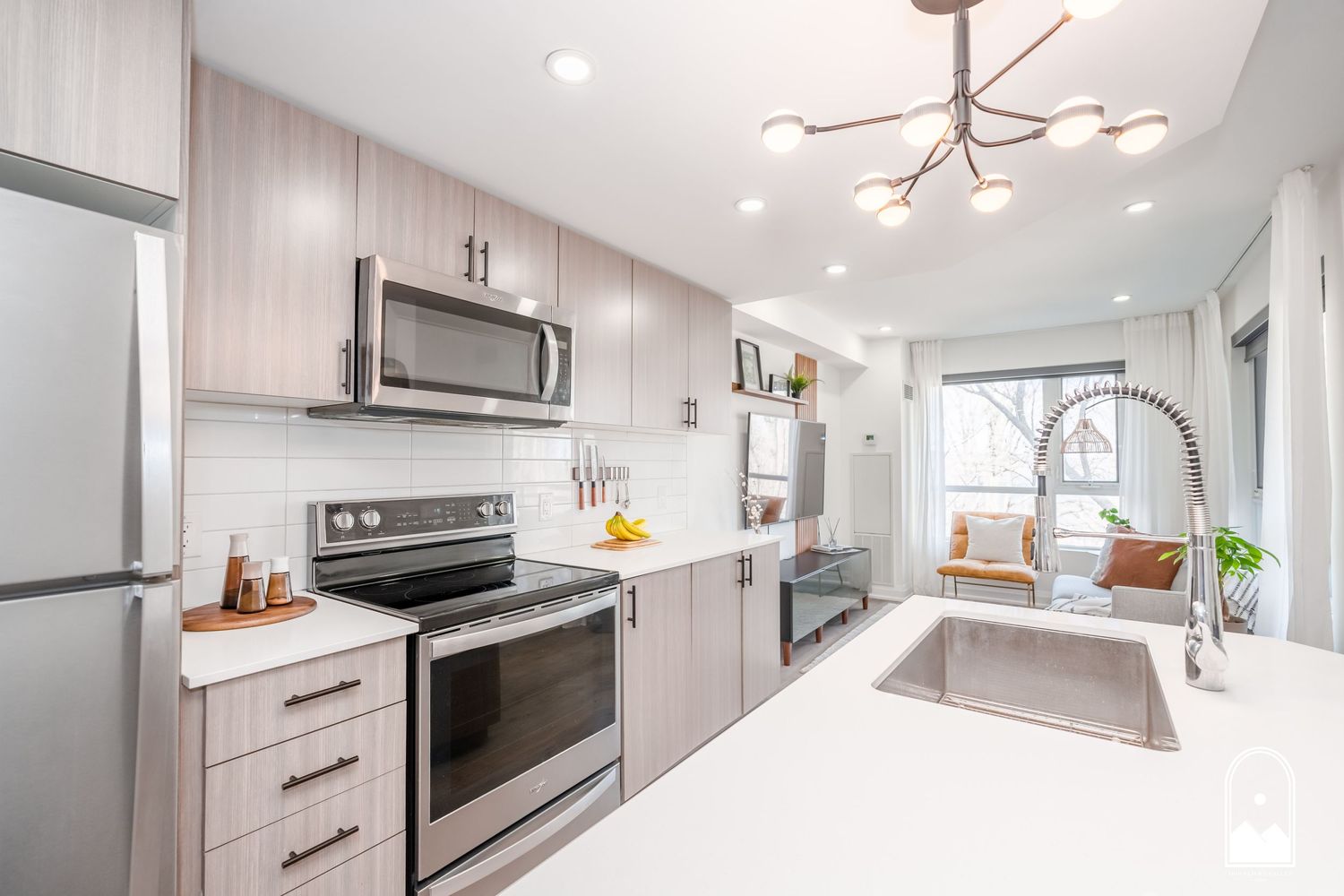
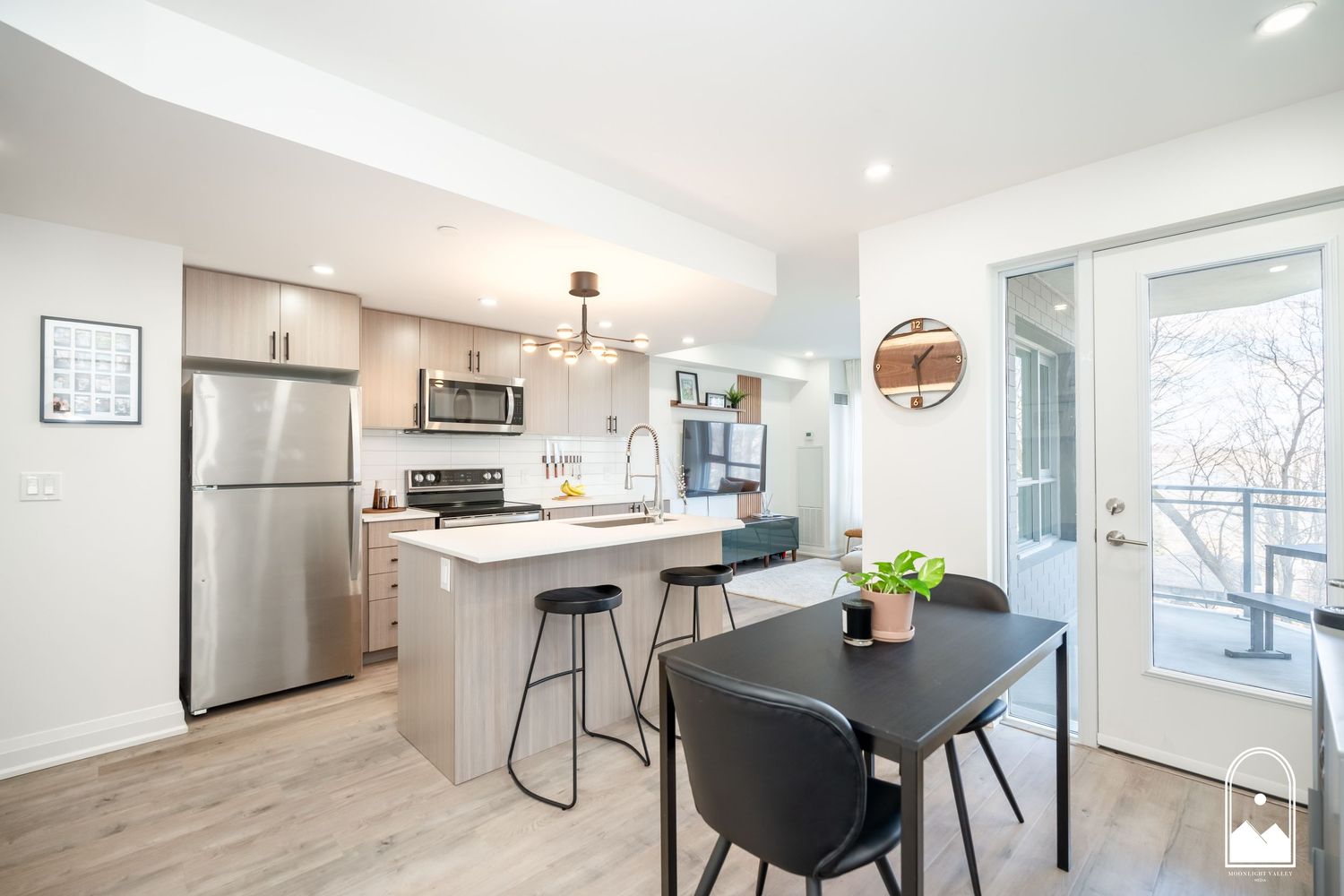
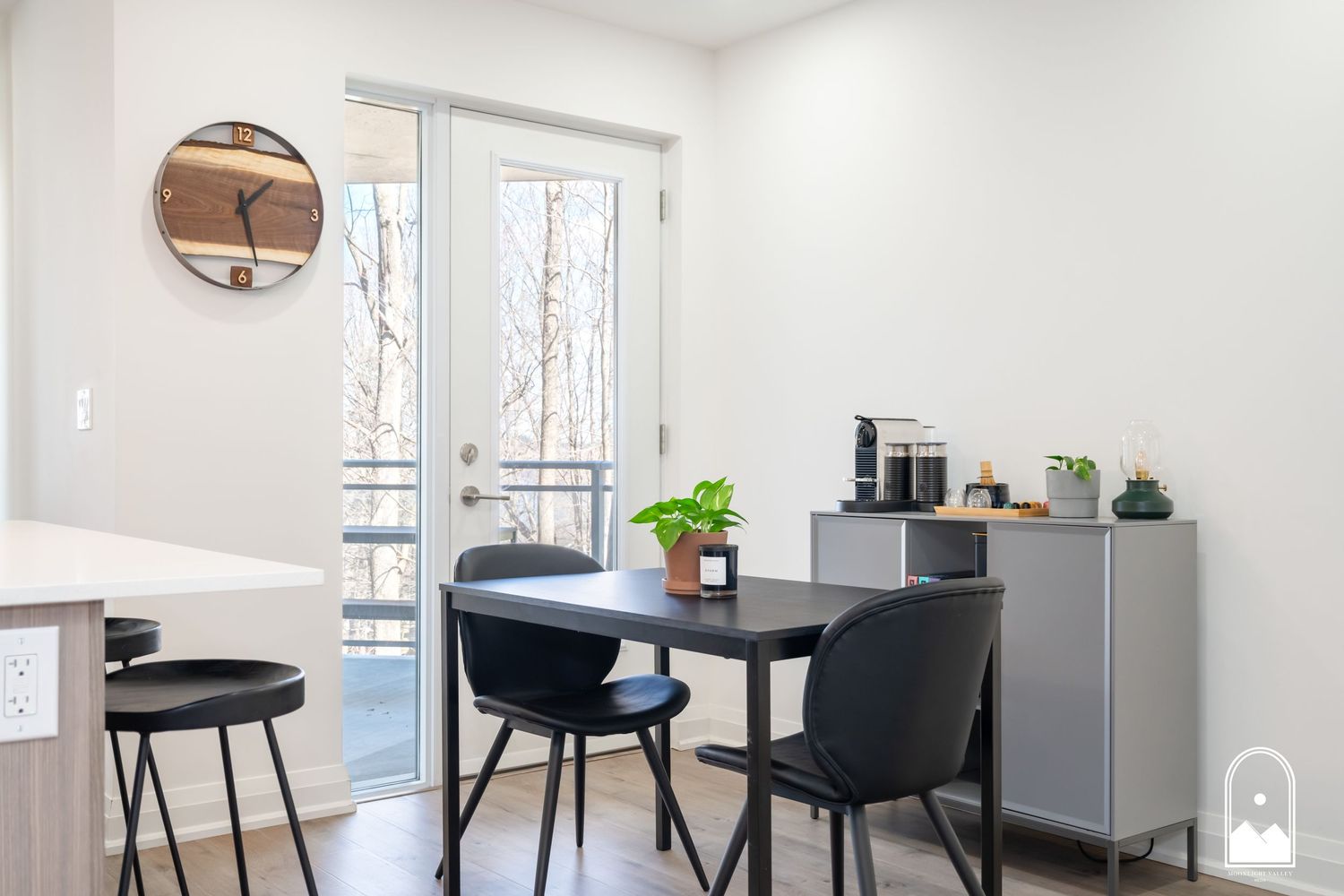
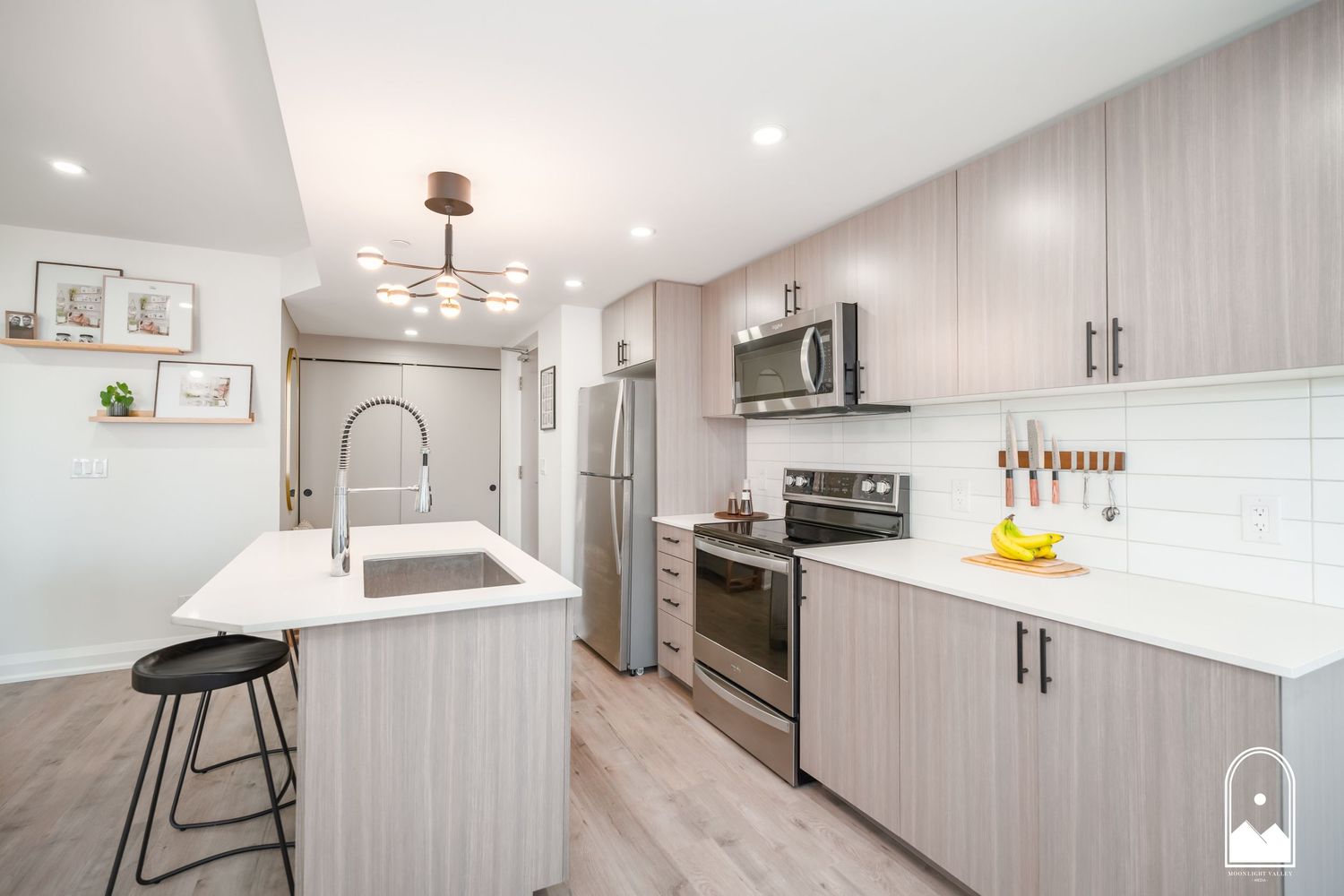
Tips for Capturing the Essence of a Home
Capturing the essence of a home goes beyond simply taking pictures of rooms and spaces. It involves showcasing the unique character and personality of the property. Here are some tips to help you capture the essence of a home through photography:
- Plan ahead: Before you start shooting, take some time to understand the property and identify its unique selling points. This will help you determine the best angles and compositions to showcase its essence.
- Focus on details: Pay attention to the small details that make a house a home. Capture the intricate architectural features, the craftsmanship of the woodwork, or the unique design elements that make the property stand out.
- Tell a story: Your photographs should tell a story about the property. Consider the lifestyle that the home offers and try to capture moments that evoke emotions and make potential buyers imagine themselves living there.
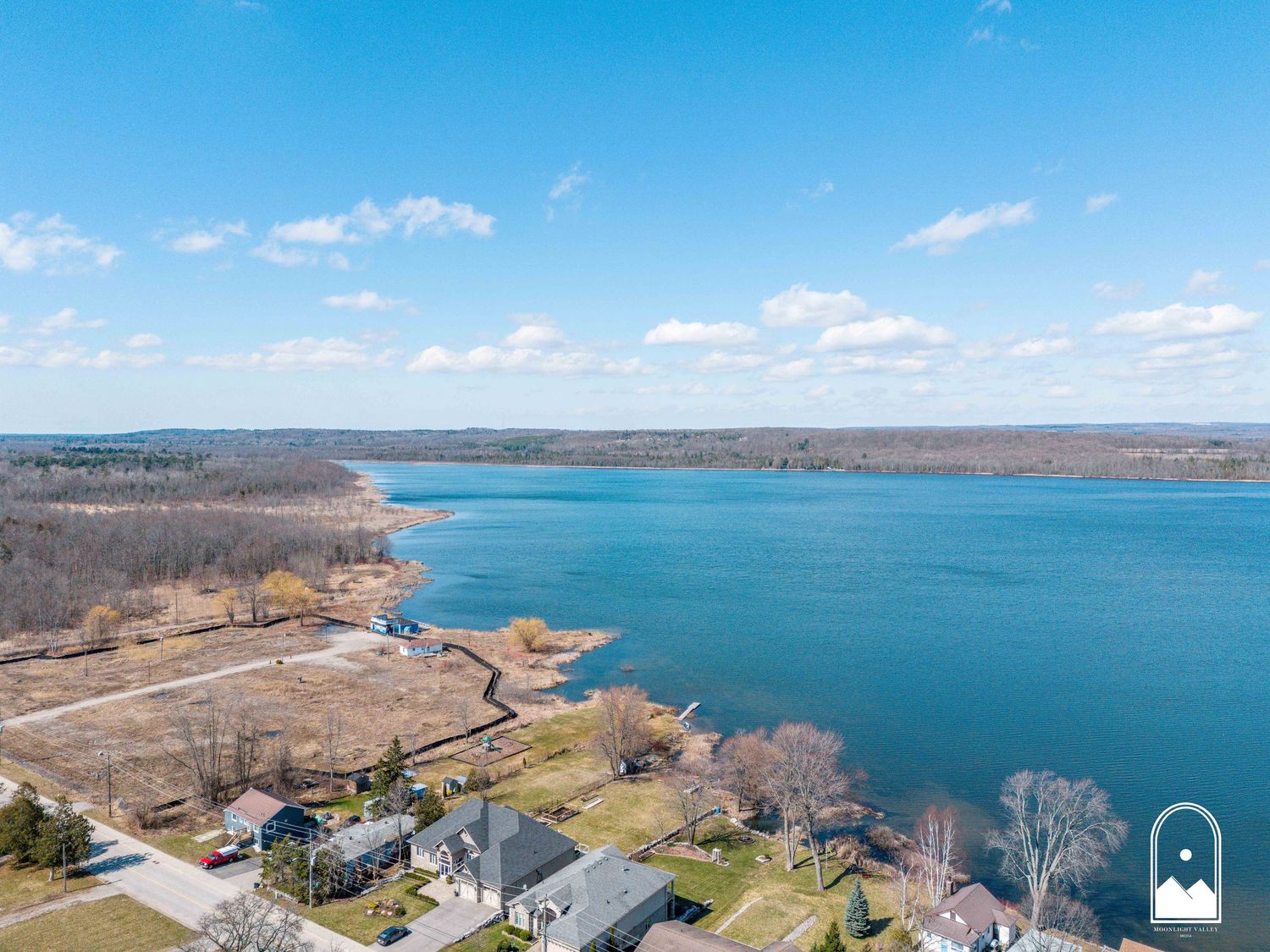
- Capture the exterior: Don't forget to capture the exterior of the property. The curb appeal is the first impression potential buyers will have of the home, so make sure to showcase the exterior's beauty and charm.
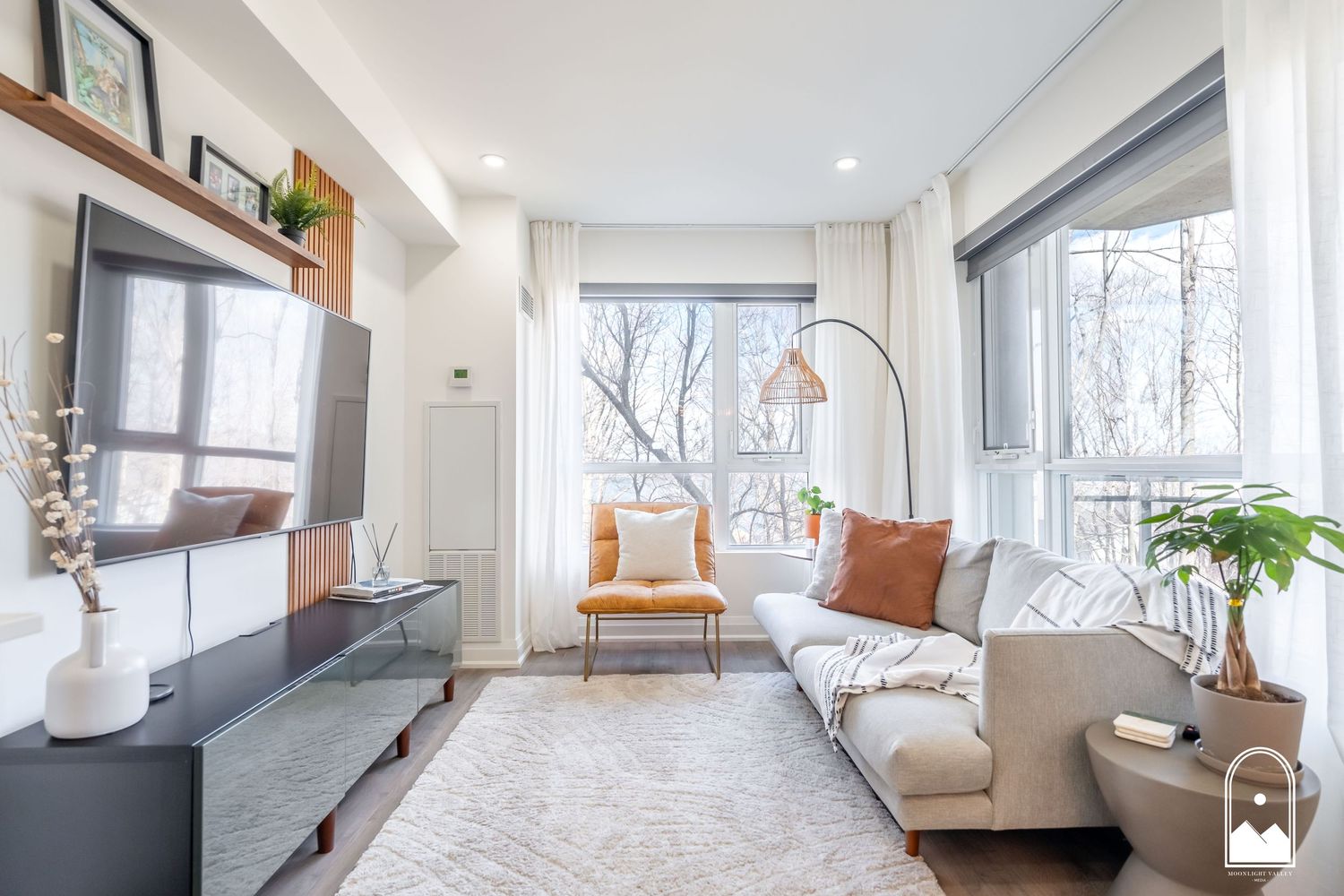
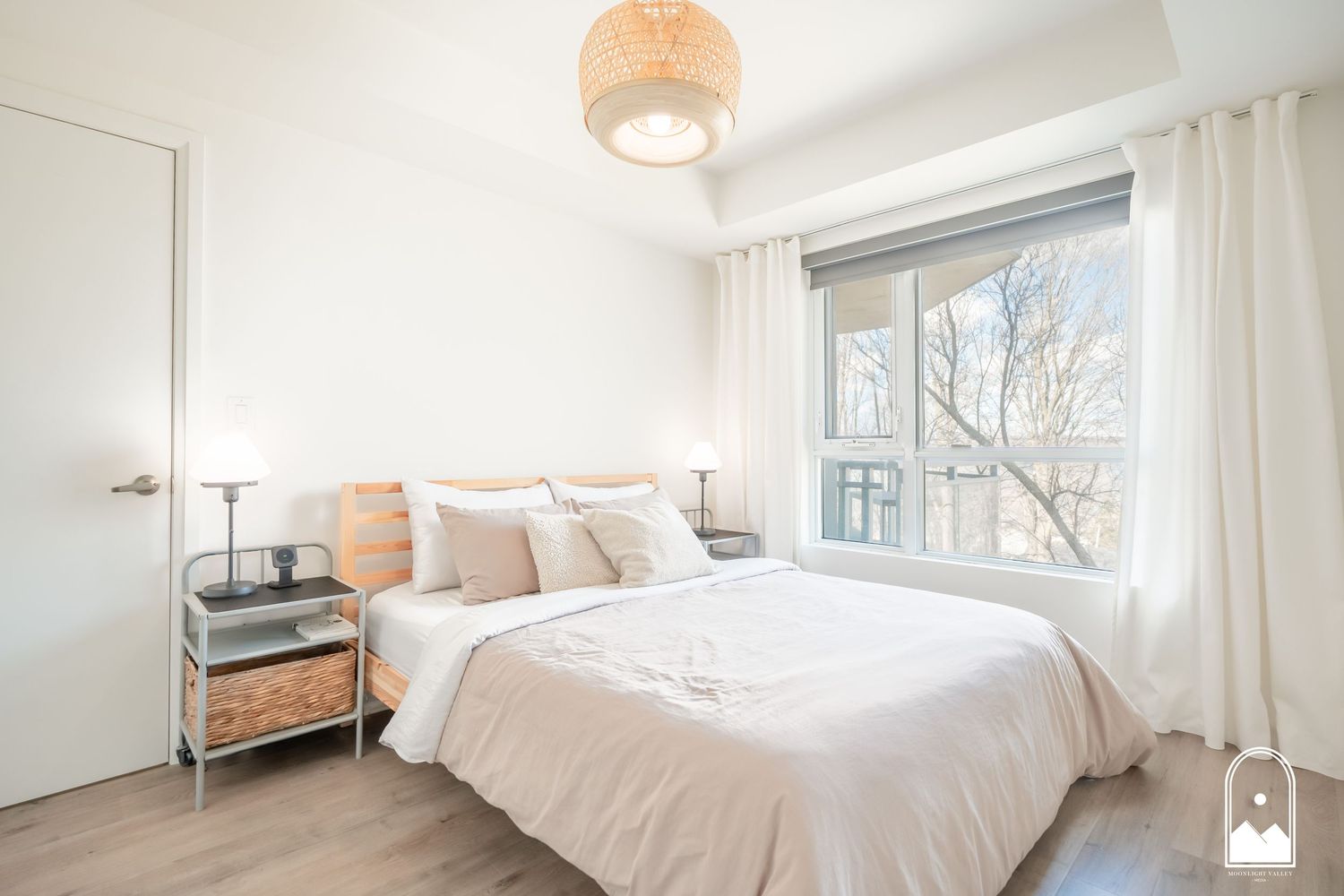
- Highlight natural light: Natural light can enhance the ambiance of a space. Whenever possible, shoot during daylight hours and open curtains or blinds to let in natural light. Avoid using flash as it can create harsh shadows and unnatural lighting.
- Use wide-angle lenses: Wide-angle lenses can help capture more of the room, giving a sense of space and openness. However, be careful not to distort the perspective too much, as it can make the room look unrealistic.
Remember, capturing the essence of a home is about evoking emotions and helping potential buyers envision themselves living there. Use your creativity and imagination to showcase the property's unique features and create a compelling visual story.
Essential Equipment for Real Estate Photography
To capture high-quality real estate photographs, you'll need the right equipment. While professional photographers may have a wide range of gear, here are some essential tools to get you started:
- Digital camera: Invest in a digital camera with manual controls and interchangeable lenses. Look for a camera with good low-light performance, as real estate photography often involves shooting in various lighting conditions.
- Wide-angle lens: A wide-angle lens allows you to capture more of the room and create a sense of space. Look for a lens with a focal length between 16mm and 24mm for full-frame cameras or around 10mm to 18mm for crop-sensor cameras.
- Tripod: A sturdy tripod is essential for keeping your camera steady and avoiding blurry images. It also allows you to capture longer exposures for well-lit interiors.
- Remote shutter release: Using a remote shutter release eliminates the risk of camera shake caused by pressing the camera's shutter button. It's especially useful when shooting with longer exposures.
- Speedlight or external flash: While natural light is preferred, there may be situations where additional lighting is necessary. A speedlight or external flash can help fill in shadows and balance the exposure.
- Editing software: Post-processing is an essential part of real estate photography. Invest in editing software like Adobe Lightroom or Capture One to enhance your images and make them visually appealing.
Having the right equipment is important, but remember that the skill and technique behind the camera are equally crucial. Practice using your gear and familiarize yourself with its capabilities to maximize the quality of your real estate photographs.
Lighting Techniques for Real Estate Photography
Lighting is one of the most critical factors in real estate photography. Properly lit images can make a property look inviting and attractive, while poorly lit images can make it appear dull and unappealing. Here are some lighting techniques to help you capture stunning real estate photographs:
- Use natural light: Whenever possible, utilize natural light to create a warm and inviting atmosphere. Shoot during daylight hours and open curtains or blinds to let in as much light as possible.
- Avoid direct sunlight: While natural light is desirable, direct sunlight can create harsh shadows and uneven lighting. If shooting during the day, try to schedule your shoot when the sunlight is less intense, such as early morning or late afternoon.
- Balance natural and artificial light: In situations where natural light alone is not sufficient, you may need to supplement it with artificial lighting. Use a combination of ambient light, such as ceiling lights or lamps, and flash units to create a well-lit scene. Be mindful of the colour temperature of your light sources to ensure they complement each other.
- Consider the time of day: The time of day can greatly affect the quality of light in a property. For interior shots, consider shooting during the golden hour just after sunrise or before sunset when the light is soft and warm. For exterior shots, mid-morning or mid-afternoon can provide even lighting without harsh shadows.
In conclusion, lighting plays a
crucial role in real estate photography. By utilizing natural light, balancing it with artificial light when necessary, and using various techniques to enhance the lighting, you can capture stunning photographs that showcase the property in its best light.